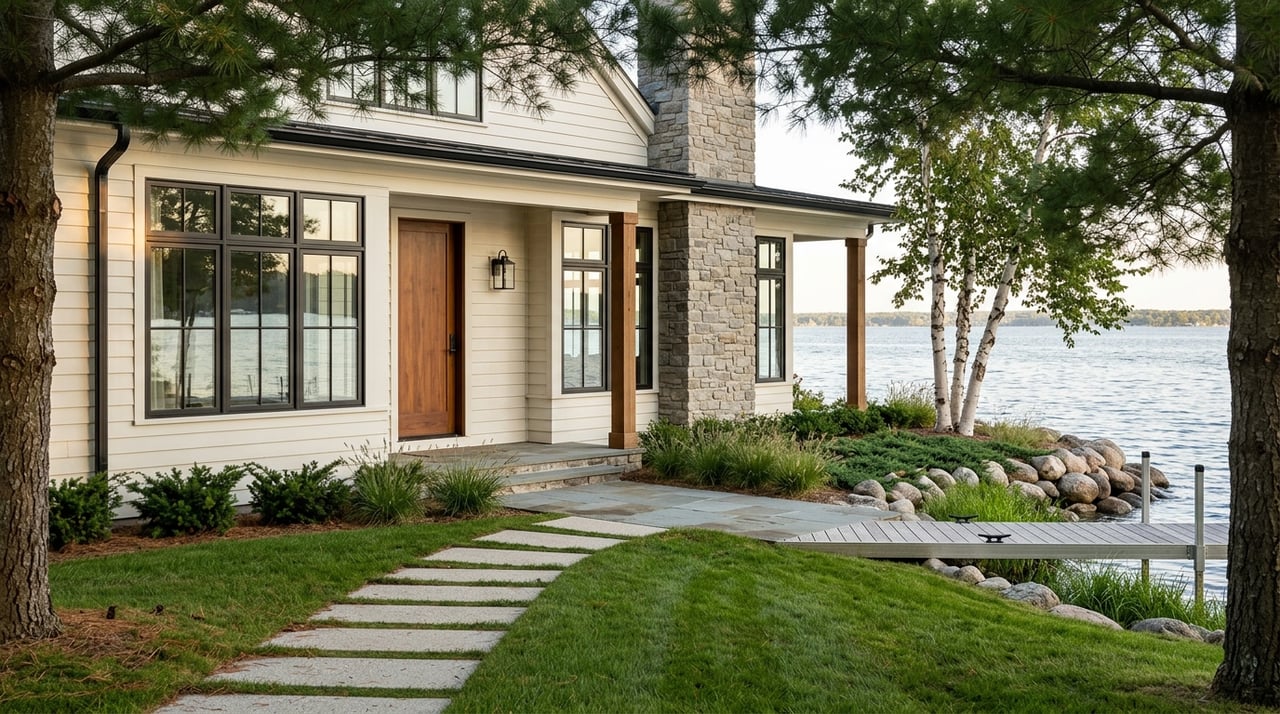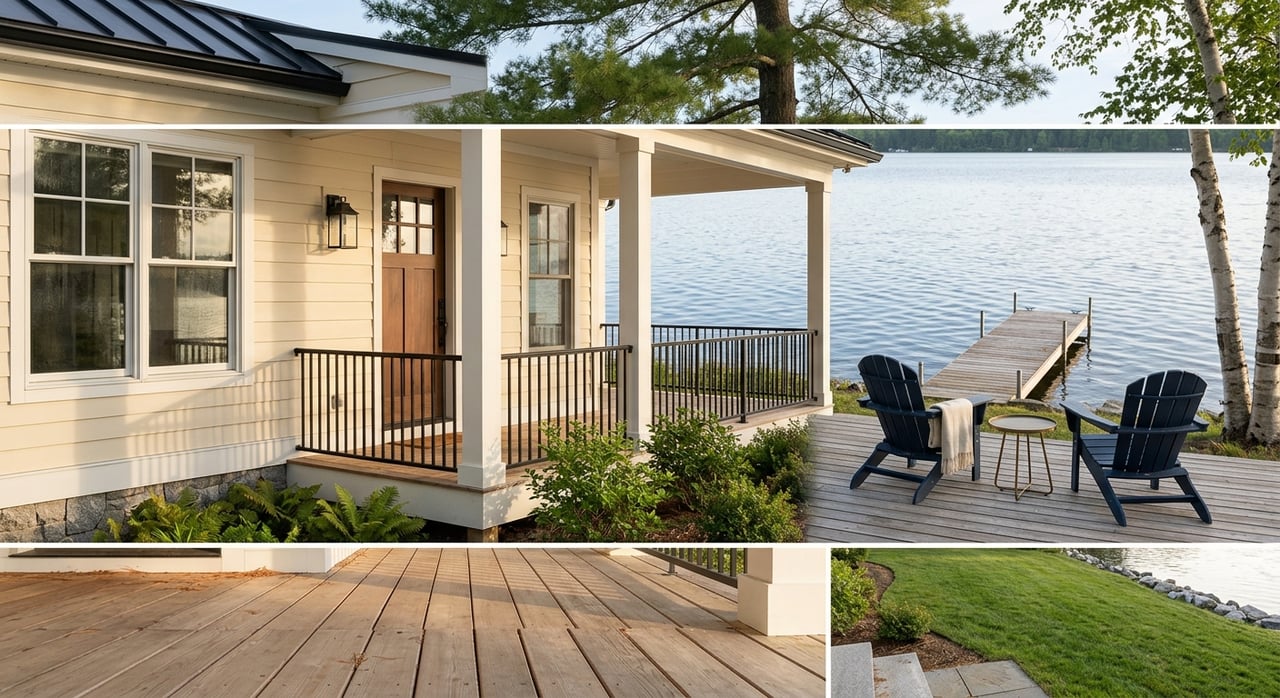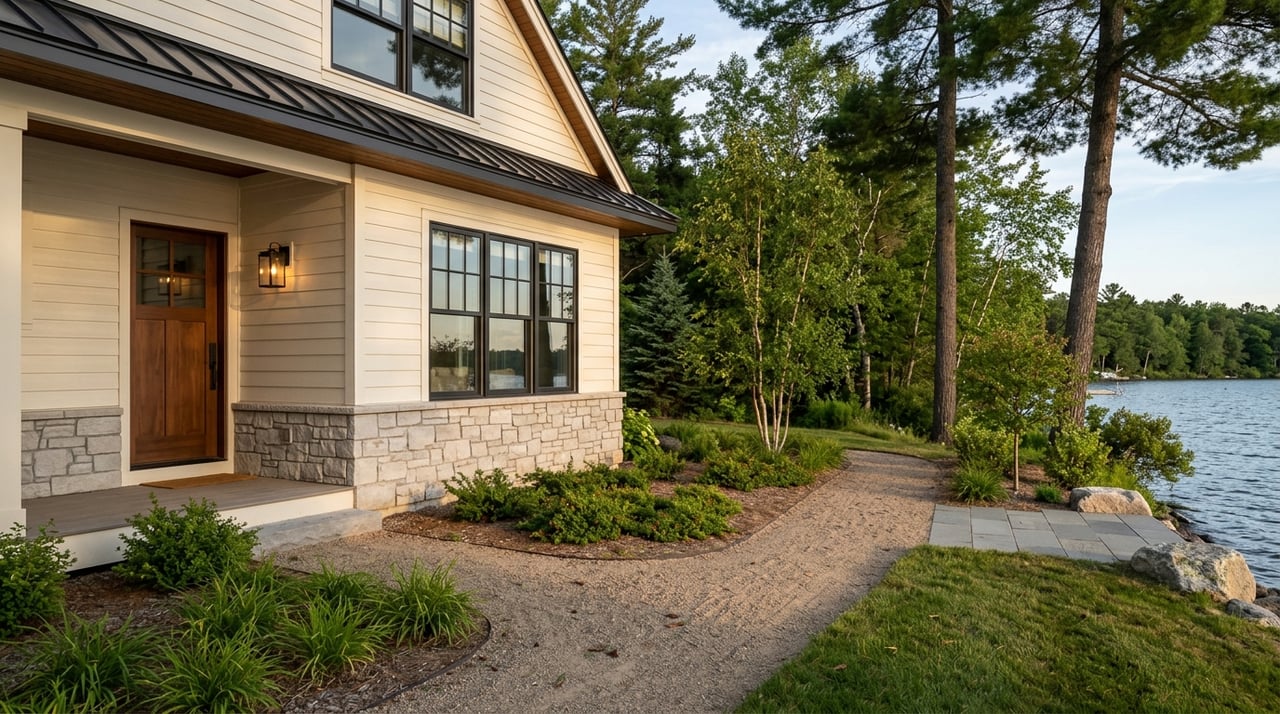
Thinking about buying a lake home in Nisswa? It is easy to fall in love with the view first and ask questions later. But in a lake market like Nisswa, the details behind the shoreline can shape how you use the property, what you can change, and what it may cost you over time. This guide will help you understand the rules, records, and real-world questions that matter most before you make an offer. Let’s dive in.
Why Nisswa lake homes need extra homework
Nisswa sits in the heart of lake country, and that matters more than many buyers realize. Crow Wing County has more than 400 lakes, 75 rivers, and over 2,000 miles of shoreline, which means buyers are not shopping one uniform product. You are comparing different lakes, shoreline types, access setups, and property restrictions.
Nisswa Lake is also part of the larger Gull Lake chain, which is described as a 13,000-acre chain. That can be a major lifestyle benefit if you want broader boating access and a connected waterfront experience. It also means your buying decision is tied to a bigger lake ecosystem, not just one lot with a nice view.
Lake class affects what you can do
One of the first things to check is the lake’s shoreland classification. The Minnesota DNR classifies lakes based on how much development and recreational use they can support. In the Nisswa area, buyers may encounter General Development, Recreational Development, and Natural Environment lakes.
Nisswa, Roy, and Gull are classified as General Development lakes. Other nearby waters may fall into different classes, and that changes the rules that apply to the lot. Those rules can affect lot size, lot width, structure setbacks, septic setbacks, and the shore impact zone.
What the classifications mean for buyers
General Development lakes are usually larger or more developed waters. Recreational Development lakes typically have moderate recreational use and a mix of seasonal and year-round homes. Natural Environment lakes are generally smaller and more sensitive, so development standards may be more restrictive.
For you, this means two lake homes at similar price points may offer very different options. One property might allow a more flexible footprint or easier updates, while another may have tighter limitations on expansion, shoreline work, or accessory features. That is why lake class should be part of your decision early, not after inspection.
Nisswa has local shoreland rules too
State classifications are only part of the picture. Nisswa’s zoning code uses different standards by lake class and includes separate provisions for resorts, shoreline recreation facilities, open space, and planned unit developments.
That matters because city rules are often the first place to look when you have questions about a specific parcel. If you are considering a lake property in Nisswa, you want to know whether the lot is a standard residential parcel, part of a resort setting, or within a planned development that may carry additional rules or shared-use arrangements.
Why product type is not always straightforward
In practice, buyers in Nisswa may see a mix of year-round homes, seasonal cabins, and properties within resort or PUD-style settings. So even if two listings both say “lake home,” the ownership experience may be very different.
You may be buying private shoreline, shared shoreline rights, or a property with use limits tied to the development structure. That is one reason local review of the parcel, not just the listing description, is so important.
Check permit history before you write an offer
Lakefront buyers should pay close attention to permit history. Crow Wing County defines shoreland as land within 1,000 feet of a lake and 300 feet of a stream. Within those areas, many activities require permits, including some dirt moving, landscaping, patios, sheds, walkways, and vegetation removal, especially inside the building setback to public water.
This is a big deal because lake properties often have years of changes that may not be obvious from a quick showing. A shoreline path, retaining feature, patio, cleared view corridor, or storage structure may look routine but still raise questions if permits were required.
Why records matter more on shoreland parcels
Crow Wing County says it physically inspects property every five years and verifies permits. That makes permit history a real issue for buyers, not just a technical detail.
If unpermitted work exists, you may inherit the headache after closing. Before making an offer, it is smart to ask whether structures and shoreline changes were properly approved and whether the seller can provide documentation.
Boathouses deserve special attention
Some buyers assume an older lakeside structure can simply be repaired, rebuilt, or replaced later. But Crow Wing County says no new boathouses are allowed without a variance.
If a property includes a boathouse or an older shoreline structure, make sure you understand its current legal status. You do not want to assume you can recreate something later if the rules do not allow it.
Septic should be a top priority
Septic is one of the most important parts of any lake property purchase. Crow Wing County says that before a permit is issued or a new deed is generated, there must be either a new installation certificate dated within five years or a compliance inspection report dated within three years. Existing systems must also meet current standards.
That means septic is not something to treat as a vague future concern. You should know whether the paperwork is current, whether the system is compliant, and whether any upgrades may be needed.
Well placement matters too
If you are planning future improvements or a new build, well location is also important. Crow Wing County notes that well placement is regulated by the Minnesota Department of Health and setbacks from septic systems and buildings should be checked before drilling.
This can become especially important on smaller or more constrained lots. A beautiful lake lot can still present challenges if the site does not easily support the placement of major systems.
Access is not always as simple as it looks
Many buyers focus on the shoreline and overlook how they actually reach the property in January. Crow Wing County says many roads are not county-maintained, including private roads and roads in private subdivisions maintained by residents or homeowner associations.
So before you buy, confirm whether the road is county, township, private, or HOA-maintained. You should also ask who handles plowing, what the winter access expectations are, and whether any access permits apply.
Verify water access rights carefully
Do not assume every visible path, dock area, or boat launch is included with the property. Crow Wing County notes that amenities vary by lake and access should be verified rather than assumed.
You want clear answers on whether access rights are public, private, deeded, easement-based, or tied to a resort or shared arrangement. This is one of the easiest places for buyer expectations and legal reality to drift apart.
Docks, lifts, and shoreline equipment have rules
Docks are another area where buyers should get specific. The DNR allows certain simple owner docks without a permit if they meet rule conditions, including being on shoreline property you own and no wider than 8 feet. There is also a general permit for some dock platforms on General Development or Recreational Development lakes.
That sounds straightforward, but included equipment still needs a closer look. If docks or lifts are part of the sale, ask exactly what is included and whether the setup complies with current rules.
Watch transfer rules for used equipment
The DNR said in June 2026 that docks and lifts must stay out of the water for at least 21 days before being placed into another waterbody. It also said a free permit is required if a dock or lift with attached zebra mussels is transported for decontamination.
If a seller is including shoreline equipment, timing and transfer rules may affect how and when you can use it. This is especially important if equipment is being moved between lakes.
Vegetation and shoreline changes are regulated
One of the biggest surprises for first-time lake buyers is learning that you usually cannot treat the shoreline like a blank canvas. Aquatic plants in public waters are state property, and some vegetation work is regulated.
According to the DNR, some submerged vegetation can be cut or pulled only within limits. Emergent vegetation removal requires a permit, and aquatic herbicides also require a DNR permit.
Natural shoreline often matters
Nisswa’s ordinance says riprap should be used only as a last resort for erosion control, with native deep-rooted vegetation preferred. That reflects a broader lake-management approach that supports shoreline stability and water quality.
It also helps explain why two shorelines on the same lake may look very different. Crow Wing County notes that lake size, depth, and water levels depend on geologic setting, groundwater, and weather, so the shoreline can function differently from one season or lake to another.
Questions to ask before making an offer
If you are serious about buying a lake home in Nisswa, these are the questions worth answering before you move forward:
- What shoreland class applies to this lake?
- Are Nisswa standards for this parcel stricter than DNR minimums?
- Is the road county, township, private, or HOA-maintained?
- Who handles winter plowing and access?
- Is the septic system compliant, and is the paperwork current?
- Were shoreline changes, structures, patios, sheds, walkways, or vegetation work permitted if required?
- Is the property part of a resort, PUD, lake association, or another shared-rule setting?
- What exact access rights transfer with the sale?
- If docks or lifts are included, when were they last out of the water and are they legal to transfer?
These questions can protect both your budget and your long-term enjoyment. They also help you compare properties more clearly when two homes look similar online but function very differently in real life.
A smarter way to buy in Nisswa
Buying a lake home in Nisswa is about more than finding a pretty shoreline. You are buying into a set of land-use rules, access conditions, system requirements, and ownership realities that can shape your experience from day one.
When you understand the lake class, verify permits, confirm septic records, and pin down access details, you can move forward with a lot more confidence. If you want local guidance on sorting through Nisswa lake properties and asking the right questions before you offer, connect with Randa Haug.
FAQs
What should you check first before buying a lake home in Nisswa?
- Start by verifying the lake’s shoreland classification, local zoning standards, septic status, access details, and permit history for the parcel.
Why does lake classification matter for a Nisswa lake property?
- Lake classification can affect lot size, lot width, setbacks, septic placement, and shoreline rules, which all influence how you can use or improve the property.
Do lake homes in Nisswa need septic paperwork?
- Yes. Crow Wing County says septic documentation must meet timing requirements before a permit is issued or a new deed is generated.
Can you remove shoreline vegetation on a Nisswa lake lot?
- Not always. Some aquatic plant work is limited, and certain vegetation removal or herbicide use requires permits.
Are all Nisswa lake-home roads maintained by the county?
- No. Crow Wing County says many roads are private or maintained by residents or homeowner associations, so winter access should be confirmed before buying.
Do docks and lifts transfer easily with a Nisswa lake-home sale?
- They can, but you should confirm what is included and whether DNR timing and transport rules affect legal transfer or use.