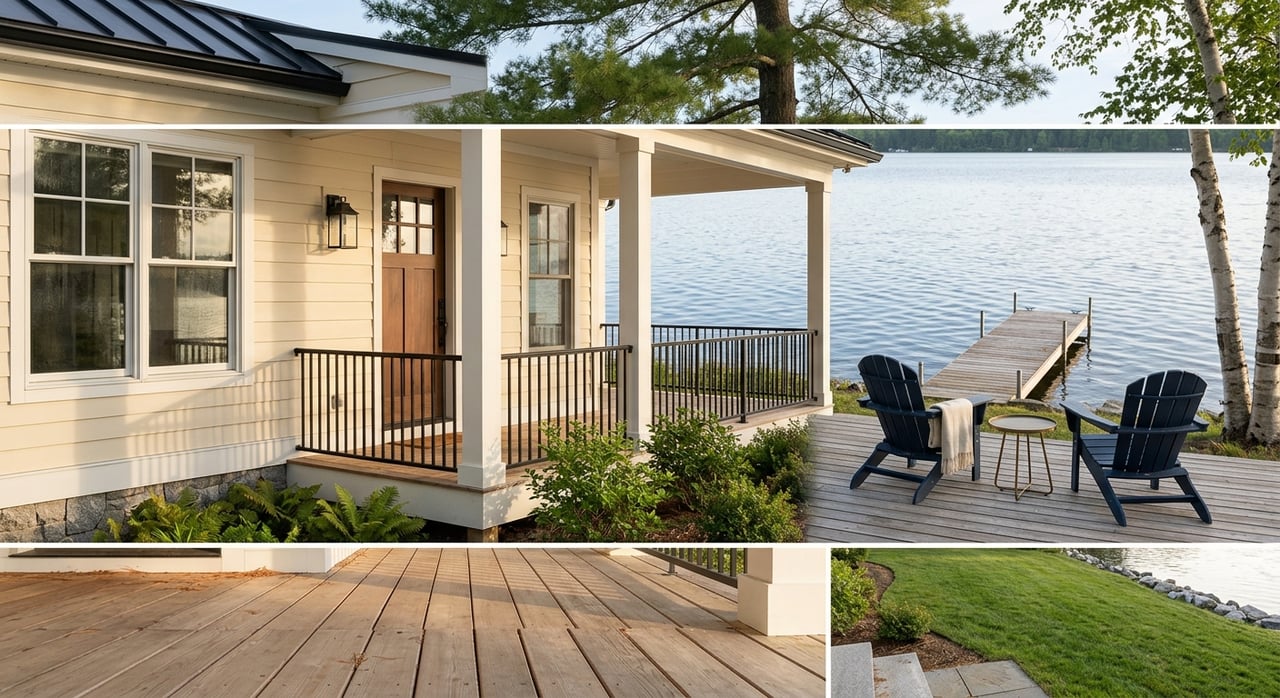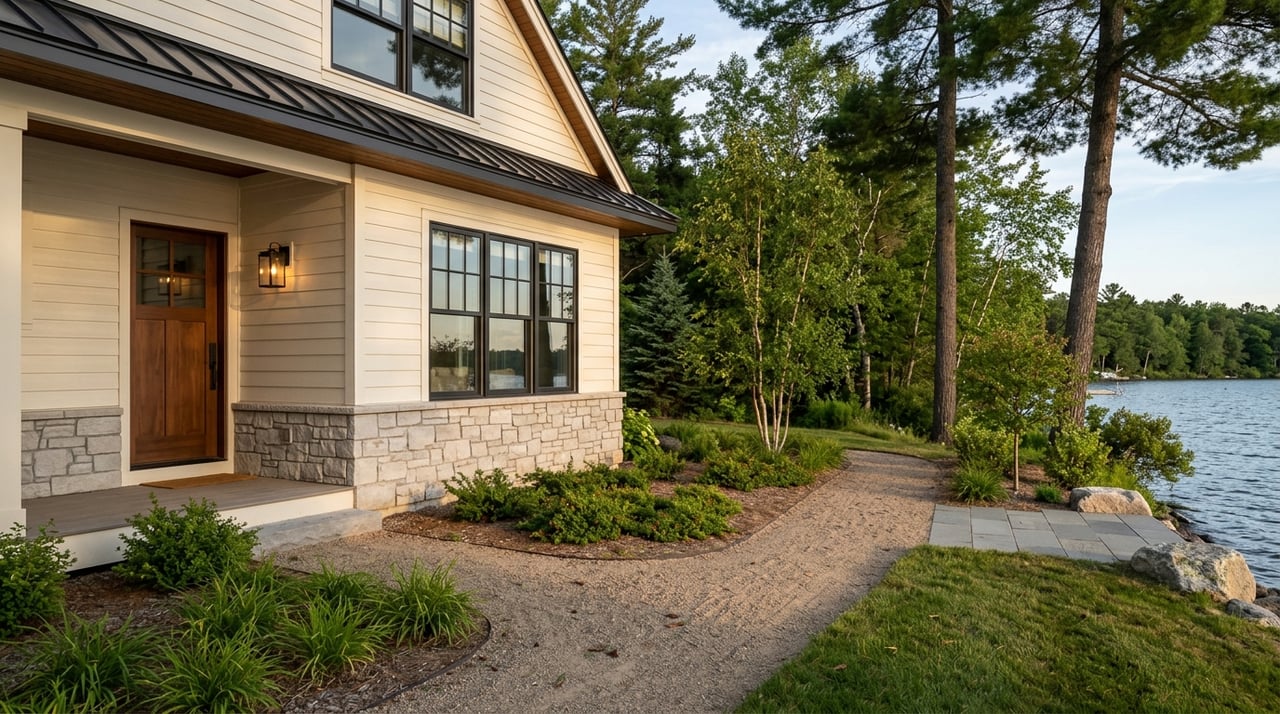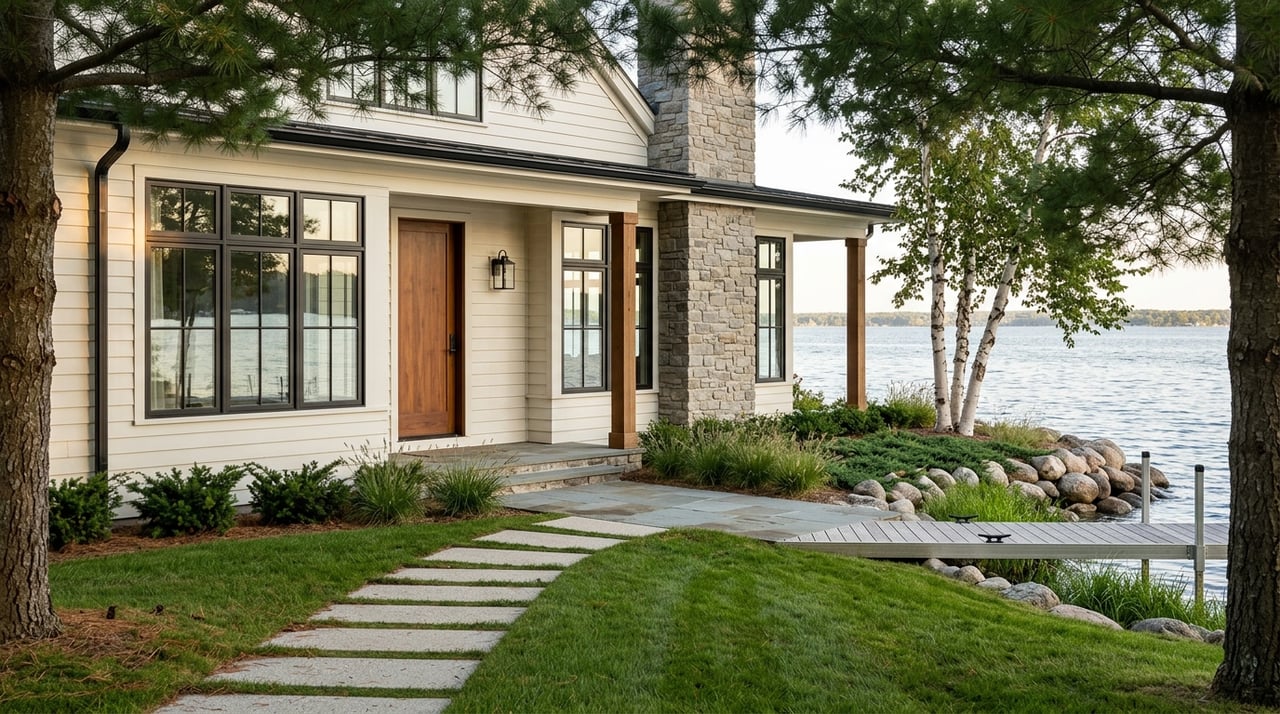
If you are dreaming about a place on the water in Crosslake, one of the first questions to answer is not just what home do you want, but what kind of shoreline fits your life best. The Whitefish Chain gives you more than one version of lake living, from active boating water near town to quieter pockets with a more tucked-away feel. This guide will help you compare the main areas, understand how the chain functions, and narrow your search with more confidence. Let’s dive in.
Why Crosslake Draws Buyers
Crosslake sits on the eastern shore of the Whitefish Chain in Crow Wing County, and the setting is a big part of the appeal. The city reports 2,158 permanent residents, 2,477 housing units, and about 60% seasonal use, which gives the area a strong mix of year-round living and second-home activity.
The city also covers 37 square miles, with more than one-third of that area covered by water. That is a practical detail for buyers because it shapes daily life, recreation, views, and the overall feel of the community.
The Whitefish Chain is commonly described as 14 interconnected lakes with 13,660 acres of water and 119 miles of shoreline. Because the Pine River enters through Upper Whitefish Lake and exits at the Crosslake Dam, the chain works like a connected boating network rather than a group of separate lakes.
How the Whitefish Chain Feels
For buyers, the Whitefish Chain offers variety within one larger lake system. Some stretches feel more open, active, and social, while others feel more wooded and private.
That matters because two homes with similar square footage can offer very different day-to-day experiences depending on the shoreline. Before you focus only on the house itself, it helps to think about how you want to use the water.
Open-water chain lifestyle
If you picture long boat rides, broad views, and easy access to more of the chain, the bigger-water segments may stand out. Whitefish Lake, Rush Lake, Big Trout Lake, and Cross Lake Reservoir are all classified by the Minnesota DNR as General Development waters.
The DNR uses that class for lakes with high existing development and extensive recreational use. In real terms, that often means a more active boating environment, stronger connection to the larger chain, and a shoreline setting that feels lively rather than secluded.
Quieter side-water feel
If you want a more cabin-like setting, quieter side waters deserve a closer look. The DNR classifies Henry Lake as Natural Environment, while Duck Lake and Fawn Lake are classified as Recreational Development waters.
Natural Environment waters are generally smaller and have more limited capacity for development and recreational use. Recreational Development waters typically have moderate development and moderate recreational use, which may appeal to buyers who want a balance between privacy and access.
Comparing Cross Lake Shoreline Areas
Not every part of the Crosslake area serves the same buyer equally well. The right fit depends on how much you value convenience, boating activity, guest access, and privacy.
Cross Lake and Daggett Bay convenience
The Cross Lake and Daggett Bay area tends to offer one of the most convenient setups on the chain. Crosslake’s official visitor information highlights retail shops, dining, resorts, the U.S. Army Corps campground, and the National Loon Center, while the nearby day-use area includes a beach, accessible fishing piers, canoe access, picnic shelters, and parking.
This part of the market can make sense if you want an in-town lake feel. It may be especially appealing if you expect guests often, want easier access to amenities, or like the idea of being close to shopping and local trails.
Recreation.gov also notes that the city is within walking distance and that a paved walking and biking trail is nearby. For some buyers, that extra convenience becomes a major quality-of-life benefit, especially during long weekends and busy summer visits.
Bigger-water views and boating
Whitefish, Big Trout, Rush, and Cross Lake Reservoir usually attract buyers who want a more active waterfront experience. The Whitefish Chain includes both wide-open water and narrow, winding channels, so these larger stretches can offer the dramatic views and boating range many lake buyers want.
The tradeoff is important to understand up front. More open and active water can also mean more wake exposure, more traffic, and less of a tucked-away shoreline feeling than you may find on smaller side lakes.
Private pockets and wooded settings
Henry, Duck, and Fawn may appeal more to buyers who want a quieter atmosphere. These areas suggest a more privacy-oriented setting within the broader Crosslake lake-country environment.
That does not mean disconnected from the area lifestyle. It means the daily experience may feel calmer and more cabin-focused, which can be a better match if you value a slower pace over high boating activity.
Boating Access Matters More Than Buyers Expect
On a connected chain, access points and circulation patterns can shape your experience almost as much as the lot itself. Crow Wing County’s DNR access map shows multiple public access points tied to the area, including Cross Lake #1, Cross Lake #2, Cross Lake #3, Cross Lake Dam, and an access on Pig or Lower Whitefish Lake.
For buyers, this is not just a boating detail. Shoreline near the dam and public-access nodes may feel busier than a home in a more protected bay or on a lesser-traveled side lake.
Recreation.gov also notes canoe access downstream of the dam and says the day-use site is open year-round. If you are comparing homes for second-home use or frequent guest visits, this kind of traffic pattern is worth thinking through early.
Four-Season Living in Crosslake
Crosslake is not just a summer market. The area supports year-round enjoyment in ways that matter to both full-time residents and second-home owners.
The city highlights boating, fishing, hiking, snowmobiling, and cross-country skiing. Community amenities also include pickleball courts, walking trails, ski and snowshoe trails, a dog park, a skating rink, playground space, and other recreation features.
That broader amenity base can help if you want a property that works well across seasons. It also adds value for buyers who host family and friends and want more to do beyond the dock.
What to Compare Before You Buy
When you tour Cross Lake homes for sale, it helps to compare more than price, square footage, and finishes. Minnesota DNR shoreland classifications guide development standards such as lot area, width, setbacks from the water, and shore impact zones, while local governments administer the ordinances.
That means the lake itself can influence what is typical or possible on a property. It is one reason lakefront buying requires a more detailed review than a standard in-town home search.
Key shoreline comparisons
As you narrow your options, focus on these practical questions:
- Do you want open water or a more protected bay?
- How important is proximity to town amenities?
- Is there public access nearby that could affect traffic levels?
- Does the lake classification suggest a more built-out or more private setting?
- Are you looking for an active boating base or a quieter retreat?
Buyer types and best-fit areas
Here is a simple way to think about the main options:
| Buyer priority | Areas to compare | Why it matters |
|---|---|---|
| Open-water lifestyle | Cross Lake Reservoir, Whitefish, Rush, Big Trout | These are General Development waters with broader recreational use and active boating patterns. |
| More privacy | Henry, Duck, Fawn | These waters tend to offer a quieter, more cabin-like setting. |
| Town convenience | Cross Lake, Daggett Bay | Close access to shopping, dining, trails, and day-use amenities. |
| Guest-friendly use | Areas farther from major access nodes if you want less traffic | Public access and dam-adjacent activity can influence how busy the shoreline feels. |
Why Local Guidance Helps on the Whitefish Chain
The Whitefish Chain is easy to love, but it is not a one-size-fits-all market. Two homes in the same general area can live very differently based on water exposure, access patterns, town proximity, and the character of the surrounding shoreline.
That is why buyer strategy matters here. A thoughtful search starts with your lifestyle goals, then matches those goals to the right part of the chain so you can make a decision with clarity.
If you are exploring Cross Lake homes for sale and want help comparing shoreline options, property types, and what fits your next chapter, Randa Haug can help you search with local insight and a calm, no-pressure approach.
FAQs
What makes Crosslake different from other lake areas for buyers?
- Crosslake offers access to the Whitefish Chain, a connected system of 14 lakes with 13,660 acres of water and 119 miles of shoreline, plus town amenities and four-season recreation.
What should buyers know about the Whitefish Chain before choosing a home?
- Buyers should compare open water versus protected bays, proximity to town, nearby public access points, and the lake’s DNR shoreland classification because each factor can affect daily use and the feel of the property.
Which Crosslake shoreline areas are best for convenient lake living?
- The Cross Lake and Daggett Bay area is often the most convenience-oriented because it is close to shopping, dining, trails, and day-use amenities.
Which lakes near Crosslake may feel quieter for buyers?
- Henry Lake, Duck Lake, and Fawn Lake may appeal more to buyers who want a quieter, more wooded, and privacy-oriented setting.
Why do public access points matter when buying lakefront property in Crosslake?
- Public access points and dam-adjacent areas can increase boating activity and shoreline traffic, so they can affect how busy or quiet a property feels.
Is Crosslake only a seasonal market for second-home buyers?
- No. Crosslake supports both seasonal and year-round use with water access, town amenities, trails, snow sports, parks, and other recreation across the seasons.